


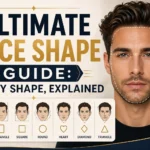






Most bad glasses purchases don’t come from ignoring face shape entirely – they come from applying the right idea in slightly the wrong way. Someone with a round face knows to look for angular frames, but goes so small the frame gets lost. Someone with a heart-shaped face knows to keep things light at the top, but picks a frame so minimal it doesn’t add any personality at all. Small missteps, but they add up to a frame that doesn’t quite work.
This is a troubleshooting guide more than a shape-by-shape rundown – the mistakes below show up across nearly every face shape, just in slightly different forms.
Quick version: the most common mistakes are getting frame width wrong, over-focusing on shape while ignoring size, assuming face shape is the only variable that matters, and copying a trend or celebrity look without checking if it actually fits your proportions.
Table of Contents
- Mistake One: Ignoring Frame Width
- Mistake Two: Fixating on Shape, Forgetting Size
- Mistake Three: Treating Face Shape as the Only Factor
- Mistake Four: Copying Trends Without Checking Fit
- Mistake Five: Confusing Similar Face Shapes
- Mistake Six: Not Accounting for Lifestyle
- Mistake Seven: Ignoring Lens Height and Bridge Fit
- Comparison Table: Mistake vs. Fix
- How to Actually Avoid These Mistakes
- FAQs
- Final Thought
Mistake 1: Ignoring Frame Width
This is probably the single most common issue, and it cuts across every face shape. People find the right shape – rectangular for a round face, round for a square face – and then buy whatever size happens to be available, without checking it against their actual face width. The fix is simple: measure your face width at the cheekbones, and make sure the frame’s lens width and bridge size land close to that number before buying anything.
Mistake 2: Fixating on Shape, Forgetting Size
Related to the above, but distinct: even with the right width, people sometimes choose a frame that’s proportionally too small or too large for their face’s overall scale. A broader face generally needs a frame with more visual presence to look proportionate, while a smaller face can get overwhelmed by an oversized shape that would look great on someone else. Shape recommendations assume reasonable proportionality – they don’t override basic scale.
Mistake 3: Treating Face Shape as the Only Factor
Face shape is one input, not the whole equation. Skin tone affects which frame colors actually flatter you. Eyewear prescription strength affects how thick a lens will end up looking in a given frame. Personal style and lifestyle both matter just as much as face shape when it comes to what you’ll actually enjoy wearing every day. Treating face shape as the single deciding factor leads to technically “correct” frames that still don’t feel like you.
Mistake 4: Copying Trends Without Checking Fit
Trend-driven shapes come and go, and plenty of them look great on some faces and not others. The mistake isn’t wanting a trendy frame – it’s skipping the step of checking whether that specific shape actually suits your face shape and proportions before buying. A trendy frame that doesn’t fit your face won’t look better just because it’s popular.
Mistake 5: Confusing Similar Face Shapes
Oblong and rectangle get mixed up constantly, as do heart and triangle, or round and oval in some cases. The distinguishing details – jaw curvature, which end of the face is wider – genuinely change the recommended frame direction, so it’s worth double-checking your actual measurements rather than assuming based on a quick glance.
Mistake 6: Not Accounting for Lifestyle
A delicate, lightweight frame might be technically perfect for your face shape, but if you’re active, work outdoors, or need something durable for daily wear, it may not hold up. Similarly, a bold statement frame might look great for occasional wear but feel like too much for daily office use. Face shape tells you what will look balanced; lifestyle tells you what will actually get worn.
Mistake 7: Ignoring Lens Height and Bridge Fit
Frame shape gets most of the attention, but lens height and bridge fit matter more than people expect. A frame that’s the right shape and width can still sit poorly on your face if the bridge doesn’t match your nose shape, or if lens height is too short or tall for your particular proportions. These details are easy to overlook but make a real difference in comfort and appearance.
Comparison Table: Mistake vs. Fix
| Common Mistake | Simple Fix |
|---|---|
| Ignoring frame width | Measure cheekbone width, match to frame’s lens width |
| Fixating on shape over size | Consider overall face scale, not just shape |
| Treating face shape as the only factor | Weigh skin tone, lifestyle, and personal style too |
| Copying trends without checking fit | Confirm the trendy shape suits your proportions |
| Confusing similar face shapes | Double-check jaw curvature and width comparisons |
| Ignoring lifestyle | Match frame durability and boldness to daily use |
| Overlooking bridge and lens height | Check these specifically, not just overall shape |
How to Actually Grade Yourself Before Buying
Before finalizing any frame purchase, run through a short checklist: does the frame width match your face width? Is the overall size proportionate to your face’s scale? Does the shape suit your actual measured proportions, not just a general impression? Will you realistically wear this frame given your day-to-day lifestyle? And does the bridge and lens height feel right, not just look right in a photo? Catching mistakes at this stage is far easier than returning or replacing a frame after the fact.
FAQs
What’s the most common mistake people make buying glasses for their face shape?
Ignoring frame width – people often get the shape right but skip checking whether the actual width matches their face.
Is face shape the only thing that matters when choosing glasses?
No – skin tone, lifestyle, prescription strength, and personal style all matter alongside face shape.
Why do my glasses look wrong even though I followed face shape advice?
It’s often a size or width issue rather than a shape issue – check that the frame’s proportions actually match your face’s scale and width.
How do I avoid confusing similar face shapes like oblong and rectangle?
Pay close attention to jaw curvature specifically – a soft jaw points to oblong, while a more angular jaw points to rectangle.
Should I avoid trendy frame shapes altogether?
Not necessarily – just confirm a trendy shape actually suits your measured proportions before assuming it will look as good on you as it did on someone else.
Does lens height really matter that much?
Yes – a frame that’s otherwise the right shape and width can still look or feel off if the lens height doesn’t suit your face’s proportions.
What should I check regarding bridge fit?
Make sure the bridge width matches your nose shape reasonably well – a bridge that’s too wide or narrow can cause discomfort and affect how the frame sits.
Can a delicate frame work for an active lifestyle?
It’s possible, but generally a delicate frame won’t hold up as well to daily wear and tear as a sturdier option, so it’s worth weighing lifestyle alongside face shape.
Is it a mistake to buy glasses based only on a photo?
It can be – photos don’t always capture proportion accurately, so trying a frame on in person or using a reliable virtual try-on tool is worth the extra step.
How often should I re-measure my face before buying new glasses?
It’s worth re-measuring every few years, since proportions can shift somewhat over time due to aging or weight changes.
Final Thought
The gap between glasses that look “fine” and glasses that actually work usually comes down to a handful of small, avoidable mistakes – width, scale, lifestyle fit, and a few overlooked details like bridge and lens height. Getting the general shape recommendation right is a good start, but it’s the finer details that determine whether a frame genuinely suits you.
This article is for informational purposes only and does not constitute medical advice. Please consult a qualified eye care professional for personalised guidance.
We strive to keep our content accurate and up to date, but information may change over time. Please verify important details with official sources or eye care professionals.
